

 soofha
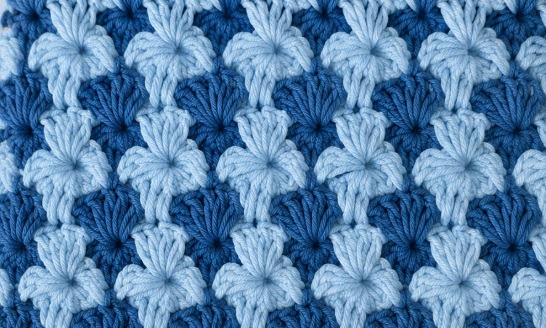
Some crochet stitches look attractive in photos. Others immediately stand out the moment you see them worked into a real project. The Catherine Wheel stitch belongs firmly in the second category.
With its layered fan-like texture and repeating circular motifs, this stitch creates fabric that looks detailed, elegant, and surprisingly sophisticated. Whether worked in soft neutrals or bold contrasting shades, the pattern naturally draws attention. That is one reason it continues to appear in many modern Crochet Patterns, especially blankets, cushion covers, and decorative home projects.
What makes the Catherine Wheel stitch especially appealing is the illusion of complexity. At first glance, it looks intricate enough to intimidate beginners. In reality, the stitch relies on a repeatable rhythm that becomes surprisingly relaxing once understood.
For crocheters searching for textured Free Crochet Patterns that feel timeless rather than trendy, the Catherine Wheel stitch remains one of the most rewarding techniques to learn.
What Is the Catherine Wheel Crochet Stitch?
The Catherine Wheel stitch is a textured crochet pattern made from alternating shell clusters and decrease stitches that create rounded “wheel” shapes across the fabric.
The finished effect resembles overlapping fans, petals, or circular bursts depending on the yarn and color choices used.
This stitch is commonly used for:
- Baby blankets
- Throws
- Cushion covers
- Tote bags
- Scarves
- Decorative home accessories
One reason experienced crocheters love it is that even inexpensive yarn can look luxurious when worked in this pattern.
Why Crocheters Love the Catherine Wheel Stitch
Not every crochet stitch balances beauty and practicality well. Some are visually stunning but tedious to work. Others are easy but look flat or repetitive.
The Catherine Wheel stitch manages to offer both visual impact and an enjoyable rhythm once the repeat becomes familiar.
The Texture Looks Advanced
This stitch creates depth naturally. The layered shells form raised areas that catch light beautifully, especially in textured cotton or acrylic blends.
Projects made with this stitch often look far more complicated than they actually are.
It Highlights Color Changes Beautifully
Color placement dramatically affects the final appearance of the wheels.
Using contrasting shades allows the shell motifs to stand out clearly. Soft gradients create a more subtle woven effect.
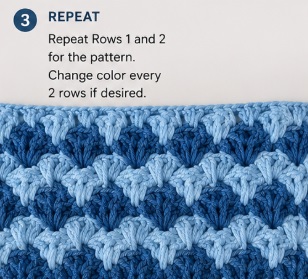
The blue tones in the sample image are a perfect example of how alternating colors can define the wheel structure without overwhelming the design.
It Creates Warm, Dense Fabric
Because the stitch uses grouped double crochet stitches, the finished fabric is thicker than many standard crochet patterns.
That makes it especially suitable for blankets and winter accessories.
Materials and Tools for Catherine Wheel Crochet
Choosing the right materials can make a huge difference in how the stitch appears.
Best Yarn Types
The Catherine Wheel stitch works best with yarns that clearly show stitch definition.
Recommended options include:
- Medium-weight cotton yarn
- Acrylic blends
- DK weight yarn
- Worsted weight yarn
Highly fuzzy or fluffy yarns tend to hide the wheel texture.
Choosing the Right Hook Size
Many crocheters prefer going up half a hook size from the yarn label recommendation.
This helps prevent the fabric from becoming too stiff or tight.
For example:
- DK yarn → 5 mm hook
- Worsted yarn → 5.5–6 mm hook
If your wheels appear compressed or curled, the hook may be too small.
Free Catherine Wheel Crochet Pattern
This beginner-friendly version is ideal for practice swatches, blankets, or cushion covers.
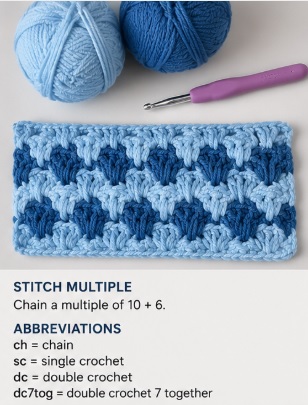
Stitch Multiple
Chain a multiple of:
10 + 6
Abbreviations
- ch = chain
- sc = single crochet
- dc = double crochet
- dc7tog = double crochet 7 together
Step-by-Step Catherine Wheel Instructions
Foundation Row
Work 1 dc into each chain across the row.
Turn your work.
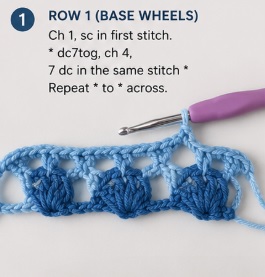
Row 1: Forming the Base Wheels
- Ch 1, sc in first stitch
- Work dc7tog across the next stitches
- Ch 4
- Work 7 dc into the center stitch
- Repeat across the row
This creates the first half of the wheel structure.
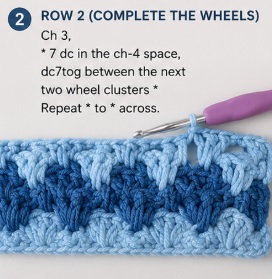
Row 2: Completing the Wheels
- Ch 3
- Work 7 dc into the ch-4 space
- dc7tog between shell groups
- Repeat across
After this row, the wheel pattern becomes visible.
Continuing the Pattern
Repeat Rows 1 and 2 while alternating colors every two rows if desired.
The repetition becomes much easier after the first few rounds.
Tips for Perfect Catherine Wheel Crochet
Keep Your Tension Relaxed
This stitch naturally creates dense fabric, so tight tension can make the project stiff.
If your fabric curls inward or feels rigid, try loosening your grip slightly or switching to a larger hook.
Use Stitch Markers Early On
The grouped decreases can become confusing in the first few rows.
Placing markers at shell centers helps maintain alignment and prevents counting mistakes.
Practice on a Small Swatch First
Many crocheters struggle during the first repeat but quickly understand the structure afterward.
A small practice swatch of 30–40 stitches helps build confidence before starting a larger blanket.
Best Color Combinations for Catherine Wheel Projects
Color choice completely changes the mood of this stitch.
Popular combinations include:
- Cream and beige
- Navy and light blue
- Sage green and ivory
- Dusty pink and white
- Charcoal and silver gray
High contrast tends to highlight the wheel effect more dramatically.
Soft tonal palettes create a smoother, woven appearance.
Common Mistakes Beginners Make
Losing Track of the Repeat
Because the stitch alternates between shells and decreases, missing one stitch can throw off the entire row.
Carefully counting the first few rows makes a huge difference.
Pulling the Yarn Too Tight
Many crocheters instinctively tighten decrease stitches. Doing so can distort the wheels and make the fabric pucker.
Relaxed tension creates cleaner curves.
Using Yarn That Is Too Thick
Bulky yarn often overwhelms the stitch structure.
Medium-weight yarn usually produces the cleanest definition.
Project Ideas Using Catherine Wheel Crochet
Baby Blankets
This is one of the most popular uses for the stitch.
The thick texture feels soft and warm while the wheel design gives the blanket a polished, boutique-style appearance.
Decorative Pillow Covers
The raised texture works beautifully in home décor, especially in neutral tones.
Crochet Bags
When worked in cotton yarn, the stitch creates sturdy fabric suitable for tote bags and handbags.
Winter Scarves
A Catherine Wheel scarf feels warm and luxurious without requiring overly complicated shaping.
Is the Catherine Wheel Stitch Beginner-Friendly?
It depends on the crocheter’s comfort level with basic stitches.
Someone who already understands:
- double crochet
- stitch counting
- decreases
- turning rows
will usually learn the pattern fairly quickly.
Absolute beginners may find the grouped stitches confusing at first, but repetition helps tremendously.
Many experienced crocheters recommend watching the wheels form row by row rather than focusing too heavily on memorizing instructions immediately.
Why This Stitch Works So Well for Blankets
The Catherine Wheel stitch offers several advantages for blanket projects:
Excellent Warmth
The dense texture traps warmth effectively without needing extremely heavy yarn.
Strong Structure
Unlike some openwork patterns, Catherine Wheel fabric tends to hold its shape well over time.
Beautiful on Both Sides
Although the front side is more textured, the reverse side still looks neat and attractive.
That makes it ideal for throws and baby blankets.
Catherine Wheel vs. Starburst Stitch
The two names are often used interchangeably online, but some designers separate them slightly.
Traditionally:
- Catherine Wheel features rounded shell wheels
- Starburst stitch may have sharper or more pointed motifs
In modern crochet communities, however, the distinction is often blurred.
Frequently Asked Questions
Does the Catherine Wheel stitch use a lot of yarn?
Yes. Compared to simpler stitches, this pattern consumes more yarn because of the shell clusters and grouped stitches.
Is it suitable for beginners?
Advanced beginners can usually learn it successfully after some practice.
What yarn works best for this stitch?
Medium-weight cotton or acrylic yarn with clear stitch definition works best.
Can I use only one color?
Yes, but the wheel effect becomes much more visible when using two or more contrasting colors.
Why does my project curl?
Usually because of tight tension or a hook size that is too small.
Is blocking necessary?
Light blocking or steaming helps open the shells and improve the final appearance, especially for blankets and decorative pieces.
The Catherine Wheel stitch has remained popular for years because it offers something many crochet stitches do not: texture, structure, and elegance without requiring advanced techniques. Once the rhythm becomes familiar, it turns into one of those patterns that feels almost meditative to work.
Among modern Crochet Patterns, few stitches create such a dramatic result while still being practical for everyday projects. Whether you are making a baby blanket, a cozy throw, or experimenting with textured Free Crochet Patterns, the Catherine Wheel stitch is one technique worth mastering.

