 soofha
Crochet offers endless possibilities for creating beautiful textures, patterns, and handmade designs. With so many stitches to choose from, crocheters can experiment with different combinations to give each project its own character. Two stitches that are especially versatile and beginner-friendly are the moss stitch and linen stitch.
Both stitches create attractive fabric with plenty of texture, and they can be used individually or combined to produce unique crochet projects.
What Is the Moss Stitch?
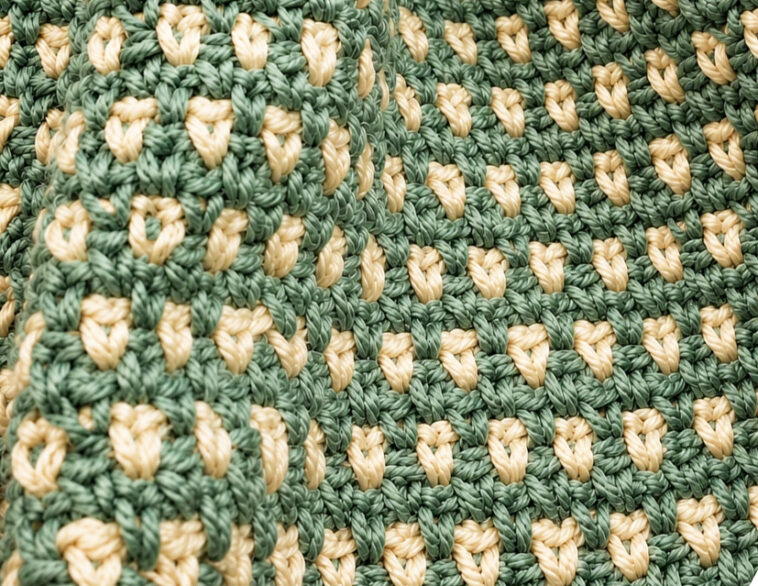
The moss stitch is a simple crochet technique that creates a neat, dense, and subtly textured fabric. It is also known by names such as the granite stitch or woven stitch, depending on the pattern and crochet terminology being used.
The stitch is generally worked by alternating single crochet stitches with chain spaces. This arrangement creates small, evenly distributed spaces that give the finished fabric a soft, woven appearance.
One of the biggest advantages of the moss stitch is its versatility. It works beautifully for both small accessories and larger home décor projects.
You can use moss stitch to make:
- Cozy crochet blankets
- Scarves and cowls
- Baby blankets
- Crochet hats
- Shawls
- Bags and purses
- Pillow covers
- Washcloths
- Home décor pieces
Because the texture is attractive without being overly complicated, moss stitch is also an excellent choice for crocheters who are learning how to maintain consistent tension and work evenly across rows.
Exploring the Linen Stitch
Linen stitch has a beautiful woven appearance that makes crochet fabric look almost like handmade textile. Similar to moss stitch, it is commonly created by working single crochet stitches into chain spaces.
The resulting fabric has a subtle, structured texture and a lovely drape. Depending on the yarn and hook size you choose, linen stitch can produce anything from a firm fabric suitable for bags to a softer fabric perfect for clothing and accessories.
Linen stitch can be used for many different projects, including:
- Crochet shawls
- Lightweight scarves
- Table runners
- Placemats
- Blankets
- Crochet tops
- Dresses and skirts
- Curtains
- Bags
- Decorative home accessories
Its woven appearance makes it particularly appealing when you want a crochet project to have a polished and slightly rustic finish.
Moss Stitch vs. Linen Stitch
Although moss stitch and linen stitch are often discussed as separate crochet techniques, they are actually very similar in construction. In many crochet patterns, the terms may even be used interchangeably.
Both stitches typically combine single crochet stitches and chain spaces to create a woven-looking fabric.
The final appearance can vary depending on:
- Yarn weight
- Hook size
- Yarn fiber
- Tension
- Number of stitches
- Pattern construction
A smaller hook and thicker yarn can create a denser fabric, while a larger hook and lighter yarn can produce a more open and flexible result.
Combining Moss Stitch and Linen Stitch
One of the most exciting ways to use these stitches is to experiment with different textures within the same crochet project.
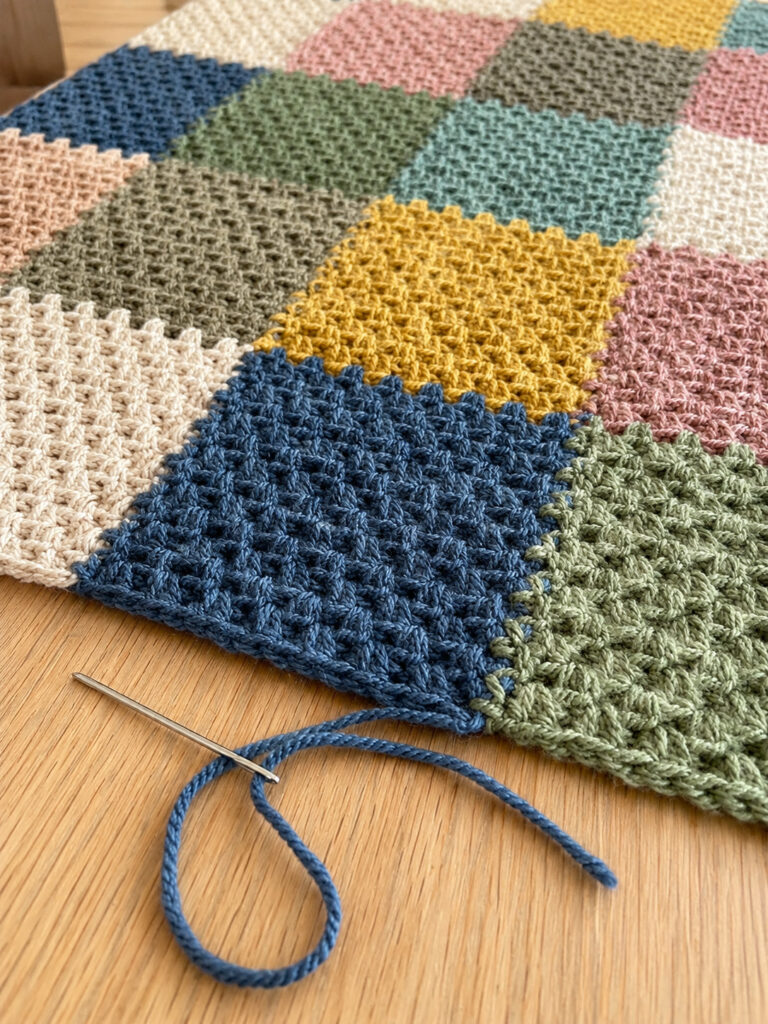
You can create a mostly moss-stitch design and introduce sections of linen stitch for subtle changes in texture. Alternating the stitches in stripes, panels, or geometric sections can make even a simple project look much more elaborate.
For example, imagine a crochet blanket worked primarily in moss stitch with horizontal linen-stitch bands between each section. The combination would create gentle texture changes while maintaining a cohesive overall appearance.
You could also reverse the idea by using linen stitch as the main fabric and adding moss-stitch borders or decorative sections.
Crochet Blanket Ideas
Blankets are an excellent way to experiment with these stitches because the simple repeats allow the texture to become the main feature of the design.
For a rustic-inspired blanket, try using a neutral color palette such as cream, beige, oatmeal, taupe, and soft brown. Work the main body in moss stitch and add linen-stitch stripes for visual interest.
For a more modern appearance, choose several coordinating shades and alternate them every few rows.
Another idea is to create a striped blanket where each color section uses a different stitch. This gives the finished blanket a textured, handcrafted appearance without requiring complicated stitch patterns.
Scarves and Shawls
Moss stitch and linen stitch are also wonderful choices for scarves and shawls.
A moss-stitch scarf can have a soft, comfortable texture while remaining relatively simple to crochet. Choose a lightweight yarn for a flexible scarf that can be wrapped around the neck without feeling too bulky.
For a shawl, linen stitch can create an elegant woven effect. Experimenting with color changes can make the stitch pattern even more noticeable.
You could create a gradient effect by changing colors gradually from light to dark or combine contrasting shades for a bold statement piece.
Crochet Clothing Ideas
If you enjoy making handmade clothing, these stitches can also be incorporated into garments.
Linen stitch can create a lightweight fabric that works beautifully for crochet tops, cardigans, skirts, and dresses. Using a larger hook can help create a fabric with more drape and airflow.
Moss stitch can be incorporated into sleeves, borders, yokes, or decorative panels. Combining different stitch sections allows you to create clothing that feels handmade while still having a modern appearance.
When working garments, always make a gauge swatch first. This will help you determine how the stitch behaves with your chosen yarn and hook.
Home Décor Projects
These stitches are not limited to wearable crochet. Their woven appearance makes them particularly attractive for home décor.
Try using moss stitch or linen stitch to create:
- Decorative cushion covers
- Table runners
- Placemats
- Kitchen towels
- Baskets
- Wall hangings
- Tablecloths
- Storage bags
- Coasters
For home projects, cotton yarn is often a practical choice because it is durable and easy to care for.
Easy Color Combination Ideas
Changing colors is a simple way to transform the appearance of these stitches.
For a soft and calming project, consider combinations such as:
- Cream and sage green
- Dusty pink and ivory
- Beige and soft gray
- Sky blue and white
- Terracotta and cream
For a more vibrant design, try:
- Mustard and navy
- Emerald and cream
- Coral and turquoise
- Purple and lavender
- Teal and mustard
You can also use a multicolored or variegated yarn to let the colors change naturally throughout the project.
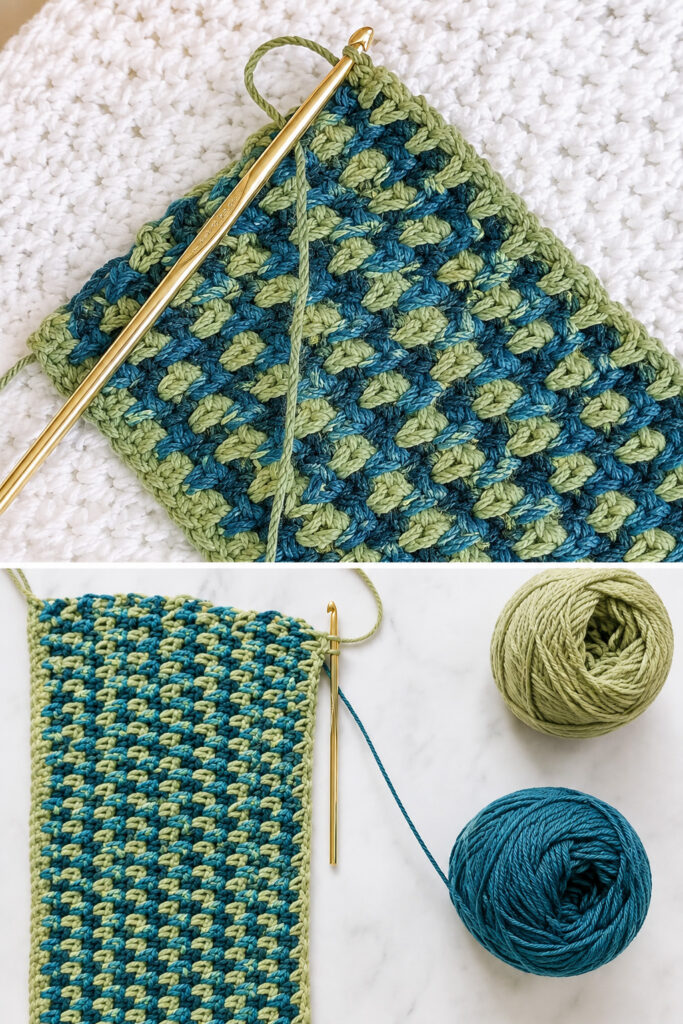
Moss Stitch and Linen Stitch
Tips for Working Moss and Linen Stitch
Although these stitches are beginner-friendly, a few simple techniques can help you achieve a cleaner result.
1. Keep Your Tension Consistent
Consistent tension is especially important when working textured stitches. If your tension changes significantly from row to row, the finished fabric may become uneven.
2. Use Stitch Markers
When working a large project, stitch markers can help identify the beginning of each row and make it easier to maintain the correct stitch count.
3. Check Your Stitch Count
Because these patterns rely on repeating combinations of stitches and chain spaces, accidentally skipping or adding a stitch can gradually change the shape of your project.
4. Make a Gauge Swatch
Before beginning a blanket, garment, or other fitted project, make a small sample using your chosen yarn and hook. This lets you see the texture and determine whether the fabric is too tight or too loose.
5. Experiment With Hook Sizes
Don’t be afraid to try different hook sizes. A smaller hook creates a firmer fabric, while a larger hook generally produces a softer and more open texture.
Creative Ways to Use These Stitches
You don’t have to follow a traditional pattern to enjoy moss stitch and linen stitch. Try using them as design elements in your own crochet creations.
For example, you could make a simple granny-style blanket and add a moss-stitch border. Another option is to crochet a solid-color bag using linen stitch and add a contrasting moss-stitch strap.
You can also combine the stitches with stripes, color blocks, geometric shapes, or simple borders to create a completely original design.
Final Thoughts
Moss stitch and linen stitch are excellent techniques for crocheters who want to create attractive fabric without relying on complicated stitch patterns. Their woven appearance, versatility, and simple construction make them suitable for beginners as well as experienced crocheters.
From cozy blankets and scarves to stylish clothing and practical home accessories, there are countless ways to incorporate these stitches into your crochet projects.
Whether you use one stitch on its own or experiment by combining different textures and colors, moss stitch and linen stitch provide a wonderful foundation for creative crochet. Grab your favorite yarn and hook, make a small swatch, and start experimenting with your own unique designs.

