

 soofha
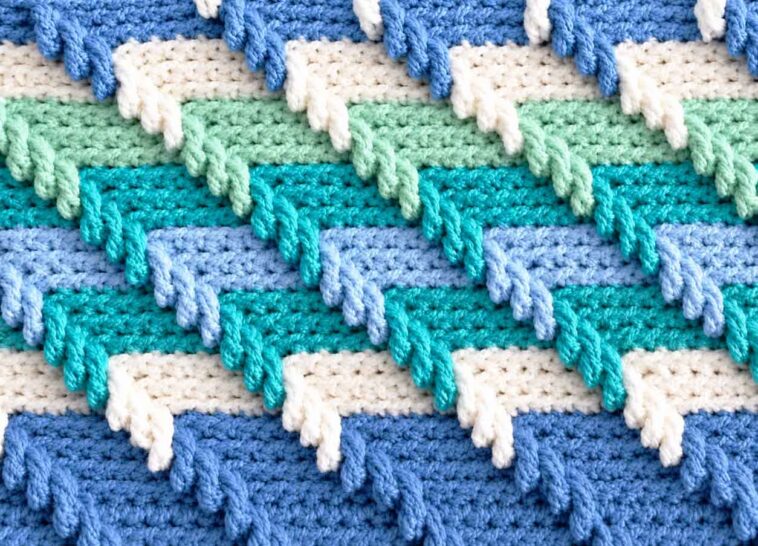
If you love crochet projects that combine beautiful texture with eye-catching colors, the Apache Tears stitch is definitely worth trying. This distinctive stitch creates little drops of color that seem to fall through the fabric, giving the finished piece a lovely three-dimensional effect.
It looks especially beautiful in striped blankets, where each new row adds another splash of color. Although the finished design looks intricate, the basic idea is easier to understand once you get familiar with the stitch placement.
Whether you’re an experienced crocheter or simply looking for a new technique to add to your collection, the Apache Tears stitch offers plenty of room to experiment with colors, textures, and different blanket sizes.
What Is the Apache Tears Crochet Stitch?
The Apache Tears stitch is a textured crochet technique that creates a cascading, almost waterfall-like effect. It combines rows of double crochet with taller stitches worked into stitches several rows below. These elongated stitches stand out against the background, creating the distinctive teardrop pattern.
One of the best things about this stitch is how much the yarn colors influence the final result. Contrasting shades make the drops stand out, while softer, coordinated colors create a more subtle look.
You can use this technique to make a cozy blanket, a decorative throw, or even a colorful scarf. Once you understand the repeating pattern, it’s easy to experiment with different color combinations and widths.
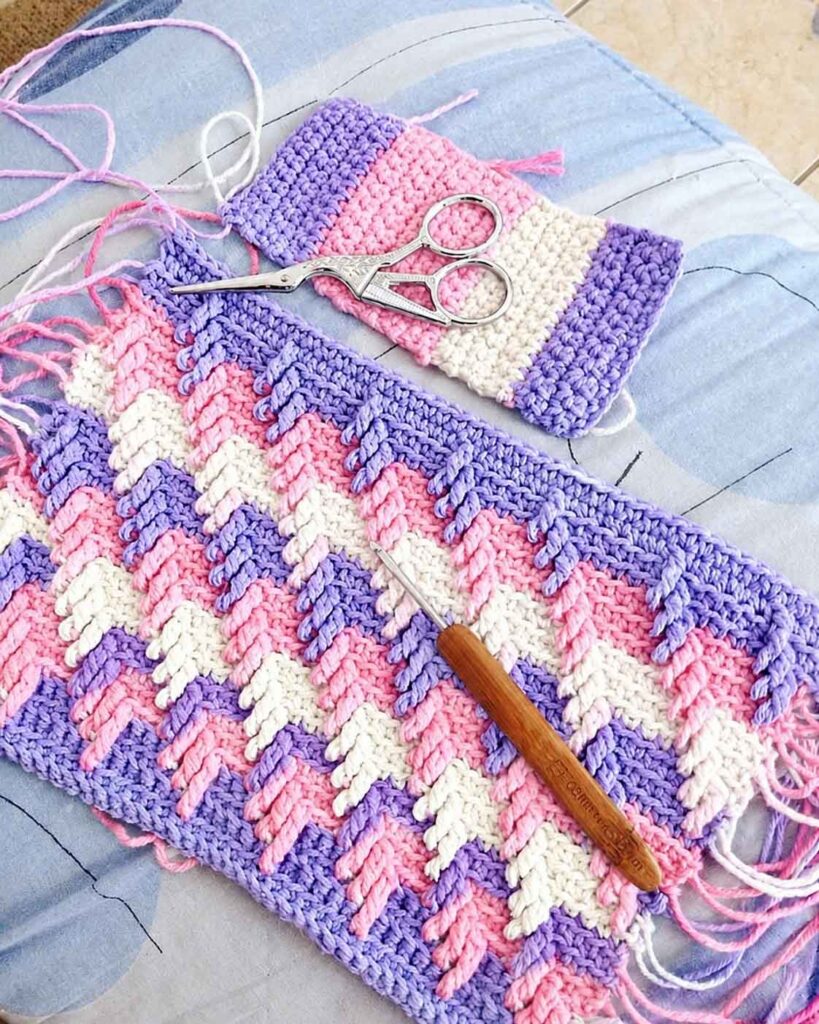
Materials You’ll Need
Before getting started, gather the following supplies:
- Yarn: Choose several colors that work well together. Red, blue, violet, aqua, pink, yellow, green, hot pink, and orange are a fun combination for a bright, cheerful blanket.
- Crochet hook: Use the size recommended for your yarn.
- Scissors: For cutting the yarn between rows.
- Tapestry needle: For weaving in the loose ends.
You can use as many or as few colors as you like. A rainbow palette creates a playful look, while shades of blue, green, or pink can give the blanket a more coordinated appearance.
Understanding the Apache Tears Stitch
Before beginning the blanket, there are a few important details to keep in mind.
- Work each row from right to left, turning or reorienting your work as required by the original technique.
- Leave a yarn tail of approximately 6 inches at the beginning and end of each row if you’re cutting the yarn between rows.
- Begin each new row with a slip knot when using a separate strand of yarn.
- Work the double crochet stitches through the back loop where specified.
- Work the elongated double treble crochet stitches into the front loop of a stitch three rows below, following the stitch placement used in the pattern.
These taller stitches are what create the signature teardrop effect. Take your time when working them, especially during the first few rows, so the texture develops evenly.
A helpful tip: If you’re new to this technique, make a small swatch before starting a full blanket. It will help you become comfortable with the stitch placement and see how your chosen colors look together.
Apache Tears Crochet Blanket Instructions
This sample uses a foundation chain of 37 stitches and several bright yarn colors. The instructions below follow the general color-striped approach described in the original pattern.
Step 1: Make the Foundation
With your first color, red, chain 37.
Foundation row: Work 1 double crochet into the second chain from the hook, then work 1 double crochet into each remaining chain across.
Fasten off if you’re working with separate yarn strands for each row, leaving a tail for joining or weaving in later.
Step 2: Build the Base Rows
For Rows 2–5, work 1 double crochet into each stitch across, following the back-loop placement specified for the pattern.
Change colors as desired, fastening off at the end of each row if you’re using separate strands.
These rows establish the base fabric for the elongated stitches that follow.
Step 3: Begin the Apache Tears Pattern
Now comes the fun part: creating the raised teardrop shapes.
For the first patterned row, use the selected color and work the elongated double treble crochet into the front loop of a stitch three rows below. Then work the specified number of double crochet stitches across the current row before repeating the sequence.
For the colorful sample, the spacing is intended to be eight double crochet stitches between the elongated stitches.
Continue across the row, maintaining the same placement and spacing throughout. Fasten off at the end if you’re changing colors for every row.
Important: The original instructions describe the color changes and stitch placement in a way that may not align perfectly with the 37-chain foundation. Check the accompanying video tutorial or a tested version of the pattern to confirm the exact repeat and stitch counts before making the full blanket.
Step 4: Add More Colorful Rows
Continue working the patterned rows, changing yarn colors to create the striped effect.
You could use blue, violet, aqua, pink, yellow, green, and hot pink before returning to your first color. Repeat your favorite sequence until the blanket reaches the length you want.
As you work, keep an eye on the elongated stitches. They should form a consistent arrangement of colorful drops rather than bunching together or pulling the fabric out of shape.
If the blanket begins to feel too tight, check your tension and make sure you’re not pulling the tall stitches too firmly.
Step 5: Finish the Blanket
Once your blanket reaches the desired length, finish with several rows of double crochet to create a simple border at the top.
The original sample suggests six final rows in red. You can use that idea or choose a contrasting color to frame the design.
Fasten off securely and weave in all loose ends with a tapestry needle. If needed, gently block the blanket according to the yarn manufacturer’s care instructions to help even out the edges.
How to Customize the Apache Tears Stitch
One of the nicest things about this technique is that you can change the spacing between the elongated stitches to create different textures.
Eight Double Crochet Stitches Between Drops
This spacing produces a more open arrangement, with the colorful drops spread farther apart. It’s a lovely option for larger blankets where you want the stitch pattern to stand out without making the fabric feel too busy.
Six Double Crochet Stitches Between Drops
Reducing the spacing brings the teardrops closer together. The result is a more detailed texture with a stronger visual rhythm.
Four Double Crochet Stitches Between Drops
For a denser appearance, try placing fewer double crochet stitches between the elongated stitches. The drops will sit closer together, giving the fabric a more compact and textured look.
Remember that closer spacing can change the fabric’s drape and overall width. Make a small sample first to see which version you prefer.
Calculating Your Foundation Chain
Your foundation chain needs to match the stitch repeat you choose. The following calculations are starting points for planning your project:
- Eight double crochet stitches between drops: The repeat contains eight double crochet stitches plus one elongated stitch, giving a repeat of nine stitches. A possible starting chain formula is a multiple of 9 plus 1.
- Six double crochet stitches between drops: The repeat contains six double crochet stitches plus one elongated stitch, giving a repeat of seven stitches. A possible starting chain formula is a multiple of 7 plus 1.
- Four double crochet stitches between drops: The repeat contains four double crochet stitches plus one elongated stitch, giving a repeat of five stitches. A possible starting chain formula is a multiple of 5 plus 1.
These formulas are provisional because the exact foundation count depends on the pattern’s edge stitches, turning chains, and how the elongated stitches are incorporated. Confirm the repeat against a tested swatch before committing to a larger project.
Color Combinations to Try
The Apache Tears stitch looks different depending on the yarn colors you choose. Here are a few combinations worth experimenting with.
Rainbow stripes: Red, orange, yellow, green, blue, and violet create a lively blanket full of color.
Cool blues and greens: Aqua, turquoise, teal, and deep blue produce a calming look that works well in bedrooms and living rooms.
Soft pastels: Pink, lavender, pale blue, and cream give the blanket a gentle, delicate appearance.
Warm autumn shades: Rust, mustard, burgundy, and forest green make a cozy throw for cooler months.
Classic neutrals: Beige, ivory, gray, and charcoal let the raised texture become the main feature.
If you have leftover yarn from other projects, this is also a wonderful way to use it. Just try to choose yarns with similar weights and care requirements so the finished fabric remains consistent.
What Can You Make With the Apache Tears Stitch?
Although blankets are a popular choice, this stitch can be used for several other crochet projects.
Blankets and Afghans
A large blanket gives the cascading texture plenty of room to shine. You can make a baby blanket with soft pastel shades or a generous sofa throw with bold, contrasting stripes.
Scarves and Wraps
The raised stitches create an interesting surface that can turn a simple scarf into a statement accessory. Choose a soft yarn that feels comfortable against the skin.
Cushions and Pillow Covers
A textured cushion cover can add color and character to a living room. Try matching the yarn colors to your existing home decor.
Decorative Home Accessories
Depending on the yarn and the finished fabric’s thickness, you can also explore smaller decorative projects. Make a sample first to check that the texture and drape suit your intended use.
Apache Tears Crochet Video Tutorial
Sometimes it’s much easier to learn a new crochet stitch by watching someone work through it. Seeing where the hook enters the lower rows can make the elongated stitches much easier to understand.
The original article recommends the Claudetta Crochet channel for a video tutorial on the Apache Tears stitch. Watching a demonstration alongside the written instructions can help you follow the stitch placement, color changes, and repeating pattern.
As you watch, pay particular attention to how the taller stitches are worked into the rows below. This is the key detail that gives the Apache Tears stitch its distinctive appearance.
Frequently Asked Questions
Is the Apache Tears stitch suitable for beginners?
Beginners who are comfortable with basic crochet stitches can give it a try. However, the elongated stitches require careful placement, so a small practice swatch is a good place to start.
What yarn works best for an Apache Tears blanket?
Worsted-weight yarn is a practical choice for a cozy blanket, although other yarn weights can work too. Use a suitable hook and check that your yarns have similar thicknesses.
Can I make an Apache Tears blanket with fewer colors?
Absolutely! You can use two colors, alternate several shades, or work with a single color for a more subtle textured effect. The stitch pattern itself provides plenty of visual interest.
How do I keep my stitches even?
Maintain consistent tension and check your stitch placement regularly. If the fabric starts to curl or pull, adjust your tension and review the placement of the elongated stitches.
Can I change the width of the blanket?
Yes. Adjust the foundation chain to suit your preferred width, making sure it follows the repeat and edge-stitch requirements of your chosen pattern.
Final Thoughts
The Apache Tears stitch is a wonderful option when you want to create a crochet project with plenty of texture and personality. Its cascading drops, colorful stripes, and raised details make it especially attractive in blankets, but the technique can also inspire scarves, cushions, and other handmade accessories.
Don’t be afraid to experiment with your yarn colors or try different spacing between the drops. Sometimes a simple change in color or texture can completely transform the finished piece.
If you decide to try this stitch, start with a small swatch, find a color combination you love, and enjoy watching the pattern come together one row at a time.
At Soofha, we love sharing crochet inspiration and patterns that encourage you to try something new. Explore more of our crochet tutorials, gather your favorite yarn, and let your next project begin!
Happy crocheting! 🧶

