

 soofha
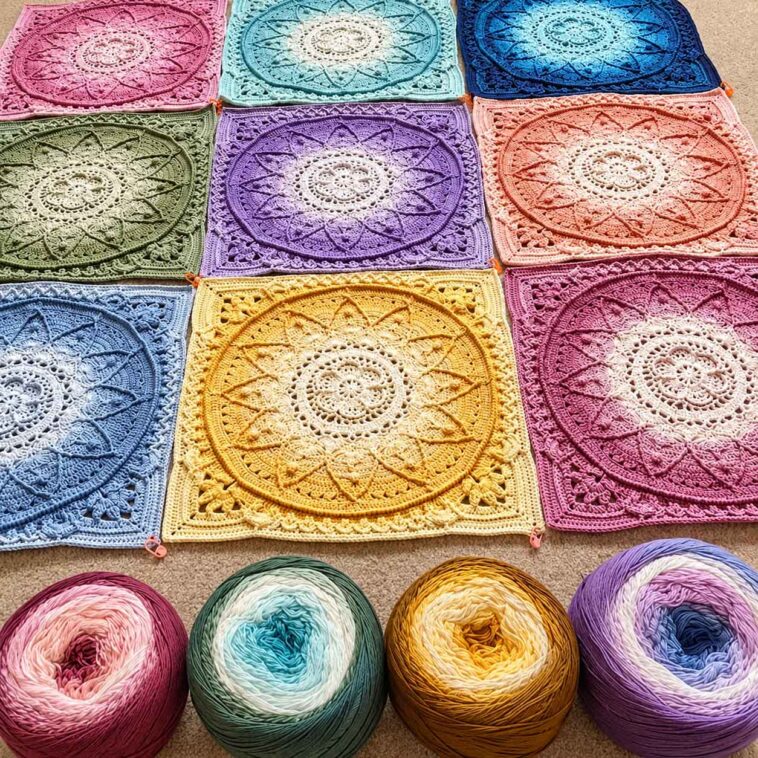
There are crochet projects that are fun to make, and then there are projects that completely capture your attention from the very first round. Sophie’s Dream Blanket is one of those special patterns.
With its beautiful floral-inspired motifs, layers of texture, and endless color possibilities, this blanket has a look that feels both classic and wonderfully creative. It may seem intimidating when you first see the finished piece, but once you begin working through the rounds, the pattern starts to make much more sense.
What makes Sophie’s Dream so appealing is the way each round adds something new. The blanket gradually grows from a simple center into a richly textured design filled with raised stitches, decorative details, and beautiful color changes. It is the kind of crochet project where you can easily find yourself saying, “I’ll just finish one more round,” and suddenly realize that an hour has passed.
Why Crocheters Love Sophie’s Dream Blanket
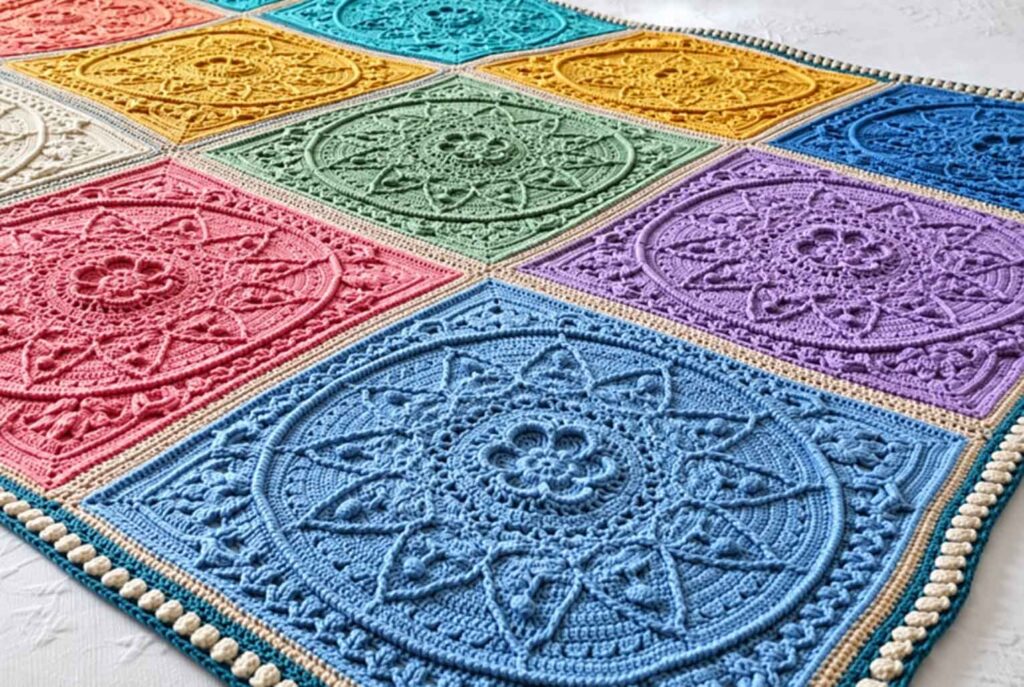
The texture is probably the first thing you notice about this blanket. Instead of having a flat surface, the design has plenty of dimension. Raised stitches and layered sections create little shadows and highlights, giving the finished blanket an almost sculpted appearance.
And then there are the colors.
You can make Sophie’s Dream bright and cheerful, soft and romantic, earthy and traditional, or completely modern. The same pattern can look dramatically different simply by changing the yarn palette.
That makes it a wonderful project for crocheters who enjoy experimenting with color.
It is also a blanket that feels personal. Every round represents time, patience, and creativity, so by the time you reach the final border, you have created something that is much more than a useful household item.
It can become a beautiful throw for the sofa, a cozy addition to a bedroom, or a handmade gift for someone special.
Is Sophie’s Dream Blanket Difficult?
At first glance, Sophie’s Dream can look quite complicated. There are plenty of details happening throughout the design, and some of the rounds use stitches in ways you may not have encountered before.
The good news is that you don’t need to understand the entire blanket at once.
The pattern is built gradually, round by round. Once you become familiar with the stitch combinations and the way the motifs develop, the work becomes much more comfortable.
I would recommend that confident beginners and intermediate crocheters take their time with this project. If you’re still relatively new to crochet, don’t be discouraged by the finished photographs. Work through each section slowly, check your stitch counts, and give yourself permission to undo a round when something doesn’t look right.
That is simply part of crochet.
Materials You May Need
Before getting started, gather everything you’ll need so you don’t have to stop halfway through your project.
Depending on the size and version of the blanket you’re making, your supplies may include:
- Worsted-weight or DK-weight yarn
- A crochet hook suitable for your chosen yarn
- Stitch markers
- Scissors
- Yarn needle
- Measuring tape
- Blocking mats, if desired
The yarn you choose can make a noticeable difference in the final appearance. Cotton and cotton-blend yarns are particularly lovely for highly textured designs because they tend to show stitch definition clearly.
Soft acrylic yarn is another practical option, especially if you’re making a large blanket that will be used regularly. It can also make the finished piece lighter and easier to care for.
Always check the specific pattern instructions for the recommended yarn weight, hook size, and yardage before purchasing your supplies.
Choosing Colors for Your Sophie’s Dream Blanket
Choosing the color palette might be just as enjoyable as crocheting the blanket itself.
Because there are so many rounds and decorative details, color changes can completely transform the personality of the finished design.
Here are a few combinations to consider.
Soft and Romantic
Try combining:
- Cream
- Dusty pink
- Sage green
- Lavender
- Light gray
These gentle colors create a soft, vintage-inspired appearance that would look lovely in a bedroom or cozy reading corner.
Rich Jewel Tones
For something much more dramatic, consider:
- Emerald green
- Sapphire blue
- Ruby red
- Gold
- Deep purple
These deeper colors really bring attention to the raised texture and give the blanket a rich, luxurious feel.
Modern Neutrals
If colorful blankets aren’t your style, neutrals can be just as beautiful.
Consider:
- White
- Beige
- Taupe
- Charcoal
- Soft brown
A neutral palette allows the texture to become the star of the project. The result can look sophisticated and surprisingly modern.
A Simple Color-Planning Tip
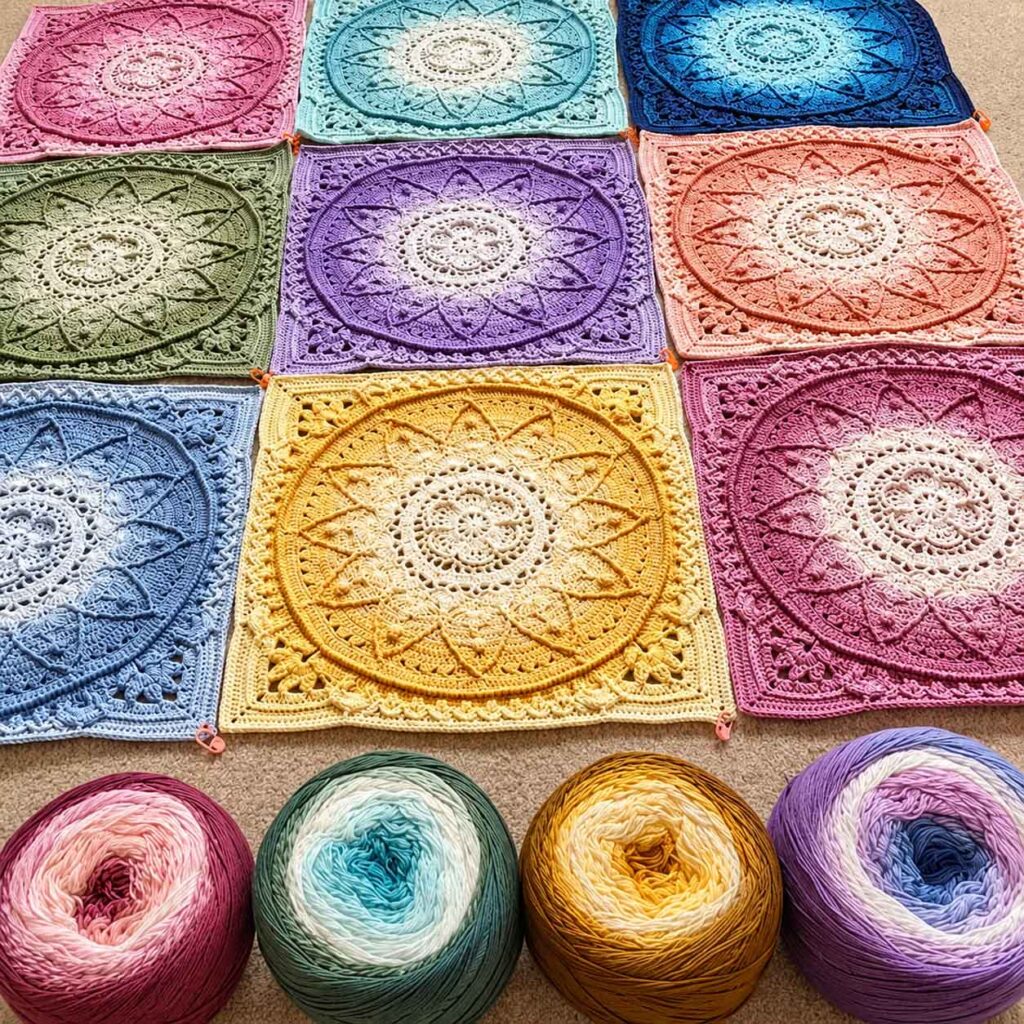
Before you start crocheting, place your yarn balls or skeins next to each other.
It sounds simple, but seeing all the colors together can make it much easier to decide whether they work well as a group. You can also take a quick photograph of the arrangement. Sometimes a color combination looks completely different when viewed through a phone camera.
Understanding the Blanket Construction
One of the most interesting things about Sophie’s Dream is the way the design develops.
The blanket begins with a central motif and gradually expands through a series of rounds. Floral shapes and decorative stitch combinations become more noticeable as the blanket grows, creating the characteristic layered appearance.
Depending on the particular version you’re following, the construction and joining method may vary. Always use the instructions for the specific pattern you’re working from rather than relying on a general description.
The first few rounds may require extra concentration. Once you’ve completed them, however, you’ll begin to recognize the repeating structure and the project becomes easier to follow.
That’s when the relaxing side of crochet really starts to take over.
Sophie’s Dream Blanket Pattern
Helpful Tips Before You Begin
Read the Instructions First
Before picking up your hook, read through the pattern.
You don’t necessarily need to memorize anything. Just get a feel for how the blanket is constructed, which stitches are used, and where the more complicated sections occur.
Knowing what’s coming can make the project feel much less overwhelming.
Keep Stitch Markers Nearby
Stitch markers are especially helpful when working on a detailed blanket.
Use them to identify corners, important stitch placements, or the beginning of a round. A few strategically placed markers can save you from having to count everything repeatedly.
Count Your Stitches
Don’t wait until you’ve completed several rounds before checking your work.
A quick stitch count at the end of each round can catch a missed increase or accidental extra stitch before the mistake becomes difficult to correct.
Practice Unfamiliar Stitches
If the pattern introduces a stitch you’re not comfortable with, practice it separately first.
Make a small swatch and work the stitch a few times. Once your hands understand the movement, you’ll be much more confident when you reach that section of the blanket.
Take Your Time
This isn’t a blanket that needs to be rushed.
Some rounds require concentration, and that’s perfectly fine. Put on your favorite music, podcast, or television show and enjoy the process.
There is something especially satisfying about watching a complicated design slowly emerge from a simple ball of yarn.
The Beauty of Texture
Texture is one of the features that makes Sophie’s Dream so memorable.
The raised stitches create little peaks and valleys across the surface, catching the light differently as you move the blanket. Some areas appear almost three-dimensional, while others provide a softer contrast.
That texture isn’t only beautiful to look at. It also gives the blanket a wonderful tactile quality.
Once the blanket is finished, you’ll probably find yourself touching the motifs and running your hands over the different sections. That’s one of the pleasures of textured crochet—the finished piece invites you to interact with it.
Making the Pattern Your Own
One of the best things about crochet is that a pattern doesn’t have to look exactly like someone else’s finished project.
You can use Sophie’s Dream as a starting point and make choices that reflect your own style.
For example, you could experiment with:
- Different color combinations
- Gradient yarns
- Solid-color palettes
- Variegated yarn
- Additional border rounds
- A larger or smaller finished size
- Tassels or fringe
- A mixture of solid and multicolored yarns
Even small changes can produce a completely different result.
That’s why looking at other crocheters’ finished Sophie’s Dream blankets can be so inspiring. You’ll often see the same basic design interpreted in completely different ways.
Don’t Be Afraid of Mistakes
When working on an intricate crochet blanket, mistakes are bound to happen.
You may miss a stitch, accidentally add one, work into the wrong space, or discover several rounds later that something isn’t quite right.
It can be frustrating, especially after spending a lot of time on a section.
But don’t let that discourage you.
Carefully undoing a few rounds is often much easier than trying to hide a mistake that affects the shape of the blanket. With experience, you’ll also become better at spotting where something went wrong.
And remember—crochet is handmade. Tiny imperfections are part of what makes a handmade blanket yours.
A Blanket Made to Be Treasured
Some crochet projects are made simply because you need a blanket.
Others become memories.
Sophie’s Dream has all the qualities of a project that can become a treasured keepsake. It takes time and patience, and every section carries a little piece of the person who made it.
Perhaps you work on it during quiet evenings at home. Maybe you crochet a few rounds while traveling or during a family gathering. Years later, those little moments become part of the story behind the blanket.
That is one of the things I love most about handmade crochet.
A finished blanket isn’t just yarn arranged into a pattern. It represents the hours spent choosing colors, learning stitches, fixing mistakes, and watching the design slowly come together.
A Beautiful Gift for Someone Special
Because of its detailed appearance, Sophie’s Dream can also make an unforgettable handmade gift.
You could make one for a wedding, anniversary, birthday, new home, or another meaningful occasion.
Of course, a blanket of this size takes considerable time, so it is not exactly a last-minute gift! But that is also what makes it special.
When someone receives a handmade blanket that took many evenings and countless stitches to complete, they know that real time and thought went into it.
Final Thoughts
Sophie’s Dream Blanket is the kind of crochet project that rewards patience.
It combines beautiful texture, decorative motifs, and endless opportunities to play with color. While the finished design may look complicated, approaching it one round at a time makes the project much more manageable.
The most enjoyable part may actually be watching the blanket grow. What begins as a small center gradually becomes a detailed piece filled with color, texture, and personality.
Whether you choose soft pastels, dramatic jewel tones, warm earthy shades, or simple neutrals, your finished blanket will have its own character.
And that’s the beauty of handmade crochet—two people can follow the same pattern and still end up with two completely different creations.
If you’re ready for a project that will keep your hands busy and give you something truly beautiful to treasure when you’re finished, Sophie’s Dream Blanket is certainly worth adding to your crochet list.
Sophie’s Dream Blanket Pattern PDF
Pattern Source
The original pattern is by Look At What I Made. Please visit the designer’s website for the complete pattern instructions, yarn requirements, and any updates to the original design:
Look At What I Made – Sophie’s Dream Blanket
Please refer to the original designer’s pattern for the complete instructions rather than reproducing the full copyrighted pattern here.

